

” data-title=”Elevator equipment for receiving wet grain can lose up to 40% of its productivity” data-url=”https://kurkul.com/news/41833-elevatorne-obladnannya-na-priymanni-vologogo-zerna-moje-vtrachati-do-40-produktivnosti”> Elevator equipment for receiving wet grain can lose up to 40% of its productivity
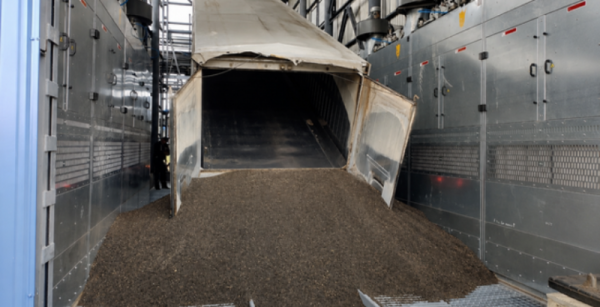
When designing an elevator, do not calculate equipment productivity based solely on the indicators of conditioned grain.
This was reported to Elevatorist.com by experts from the design institute “YugAgroProekt,” part of the Grain Capital group of companies.
As noted by Vitaliy Galich, Commercial Director of GC “Grain Capital,” most designers calculate the capacity of elevator equipment based on the basic “clean” condition of grain, which is absolutely inappropriate for receiving points.
“At the reception, when wet and contaminated grain comes from the field, productivity will decrease by 30-40% because the raw material characteristics differ significantly from dry grain at unloading,” the expert explained.
He noted that with such an approach, the customer may pay significant funds for equipment that will not be used effectively, and instead will receive an increased load on the power grid and additional operating costs.
The specialist also warned against so-called “overdesign” – the selection of equipment with an excessive performance margin. According to him, if the dryer’s capacity is 100 tons/hour, installing transport equipment with a capacity of 250 tons/hour after it is of no practical use, as the line’s throughput is still limited by the drying and cleaning units.
Moreover, underloaded equipment operates inefficiently and only adds a certain percentage of grain damage.
Read also: Changes in logistics have increased demand for mobile grain storage


© Yulia Nemtseva, Kurkul.com, 2026.
Подробиці можна знайти на сайті: kurkul.com